
Introduction
Smart home products are rapidly changing the way people live, offering convenience, safety, and better control over daily routines. From lighting systems you can control with your voice to security cameras that send alerts to your phone, these devices are designed to make life easier and more efficient. Over the last few years, smart home technology has become more affordable and widely available, making it accessible to beginners as well as intermediate users.
At its core, smart home products connect to the internet and allow users to control them through smartphones, tablets, or voice assistants. This means you can turn off lights, adjust thermostats, or check security cameras even when you are not at home. The growing demand for automation, energy efficiency, and security has made these products an essential part of modern households.
In this guide, you will learn everything about smart home products, including what they are, why they matter, how to use them, their benefits, risks, and expert tips. Whether you are planning to build a fully automated home or just want to start with a few devices, this article will help you make informed decisions in a simple and practical way.
What are Smart Home Products?
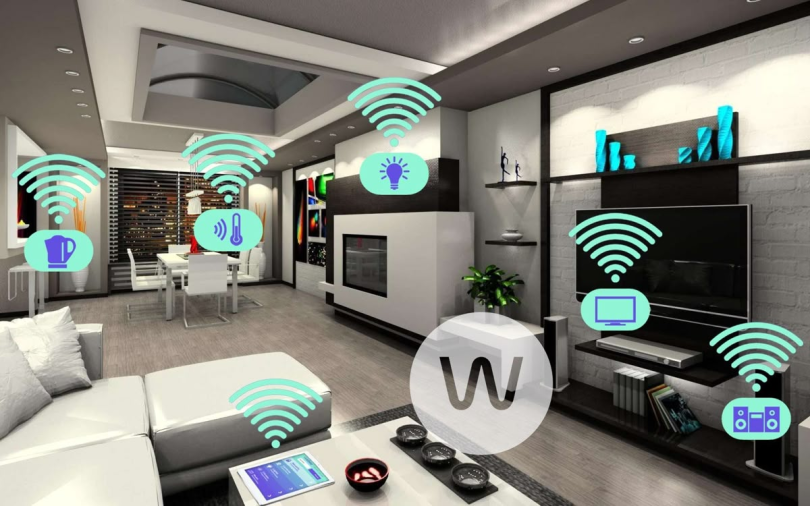
Smart home products are electronic devices that connect to a network, usually Wi-Fi or Bluetooth, allowing users to control them remotely or automatically. These devices are designed to improve comfort, security, and efficiency in everyday life.
Common examples include:
- Smart bulbs that change brightness and color
- Smart speakers with voice assistants
- Smart thermostats for temperature control
- Smart locks for door security
- Smart cameras for home monitoring
- Smart plugs that automate appliances
These devices often work together through a central system or app. For example, a smart home hub can connect multiple devices and allow them to interact with each other. You can set routines such as turning off all lights at bedtime or starting your coffee machine in the morning automatically.
Why are Smart Home Products Important?
Smart home products are important because they simplify daily life and increase efficiency. People today value time, comfort, and security, and these devices help achieve all three.
One major reason for their importance is convenience. Instead of manually controlling each appliance, users can manage everything from a single device like a smartphone. This reduces effort and saves time.
Another important factor is energy efficiency. Smart thermostats and lighting systems can reduce electricity usage by adjusting settings automatically based on usage patterns.
Security is also a key reason. Smart cameras, motion sensors, and door locks provide real-time alerts and remote access, giving homeowners peace of mind even when they are away.
Finally, smart home products support modern lifestyles. As people become more connected digitally, these devices integrate smoothly into daily routines, making homes more responsive and intelligent.
Detailed Step-by-Step Guide
Step 1: Identify Your Needs
Before buying smart home products, decide what you want to achieve. Some people focus on security, while others prefer comfort or energy savings. Common goals include:
- Home security improvement
- Energy efficiency
- Entertainment automation
- Convenience and time-saving
Step 2: Choose a Smart Ecosystem
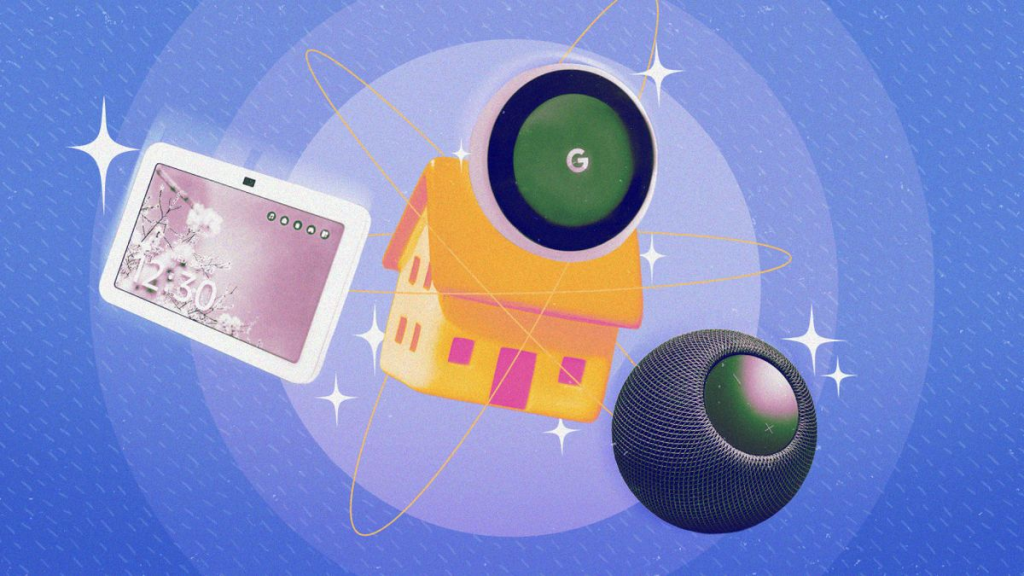
Most smart devices work within ecosystems like Google Home, Amazon Alexa, or Apple HomeKit. Choosing one ecosystem ensures compatibility between devices.
Step 3: Start with Basic Devices
Beginners should start small. Recommended starting products include:
- Smart bulbs
- Smart plugs
- Smart speakers
These are easy to install and provide immediate benefits.
Step 4: Install and Connect Devices
Installation usually involves:
- Downloading the device app
- Connecting to Wi-Fi
- Pairing with smartphone or hub
- Following setup instructions
Most devices are plug-and-play, requiring no technical skills.
Step 5: Set Automation and Routines
Once devices are connected, you can create automation such as:
- Lights turning on at sunset
- Thermostat adjusting temperature at night
- Security cameras activating when you leave home
Step 6: Expand Your Smart Home System
After gaining experience, you can add advanced devices like:
- Smart door locks
- Smart refrigerators
- Home automation hubs
- Smart security systems
Benefits of Smart Home Products
- Improved convenience and control over home devices
- Better energy efficiency and reduced electricity bills
- Enhanced home security with real-time monitoring
- Remote access from anywhere in the world
- Time-saving automation of daily tasks
- Increased comfort through personalized settings
- Integration with voice assistants for hands-free control
Disadvantages / Risks
- High initial cost for full setup
- Dependence on stable internet connection
- Privacy concerns due to data sharing
- Compatibility issues between different brands
- Learning curve for beginners
- Possible technical glitches or software updates
Common Mistakes to Avoid
Many beginners make avoidable mistakes when setting up smart home systems.
One common mistake is buying too many devices at once. It is better to start small and expand gradually.
Another mistake is ignoring compatibility. Not all devices work together, so choosing the same ecosystem is important.
People also often forget about Wi-Fi strength. Weak internet can cause lag or disconnection issues.
Skipping security settings is another major error. Always update passwords and enable two-factor authentication when available.
Lastly, not updating device firmware can lead to performance issues and security risks.
FAQs
1. Are smart home products difficult to install?
No, most smart home products are designed for easy installation. Many devices are plug-and-play and come with mobile apps that guide you step by step. Even beginners can set them up without professional help.
2. Do smart home devices work without internet?
Some basic functions may work offline, but most smart features require an internet connection. Without Wi-Fi, remote access and automation features may not function properly.
3. Are smart home products safe?
Yes, they are generally safe, but like any internet-connected device, they should be properly secured. Using strong passwords and updating software regularly improves safety.
4. Can I mix different brands of smart devices?
Yes, but compatibility depends on the ecosystem. Devices connected to the same platform, such as Google Home or Alexa, usually work better together.
5. Do smart home products save electricity?
Yes, many devices like smart thermostats and lighting systems help reduce energy usage by optimizing consumption automatically.
6. Are smart home systems expensive?
They can be expensive at first, but you can start with budget-friendly devices and expand over time. The long-term savings often balance the initial cost.
Expert Tips & Bonus Points
Experts recommend starting small and scaling your smart home gradually. Do not try to automate everything at once. Focus on one area such as lighting or security first.
It is also important to choose reliable brands with good customer support. Quality matters more than quantity when building a smart home system.
Regular updates are essential. Always keep your devices updated to ensure better performance and security.
Another useful tip is to use automation wisely. Over-automation can make systems complicated instead of helpful. Keep routines simple and practical.
Finally, invest in a strong Wi-Fi router because all smart devices depend on stable internet connectivity.
Conclusion
Smart home products are transforming modern living by offering convenience, security, and energy efficiency. From simple smart bulbs to advanced home automation systems, these devices help users control their environment with ease. As technology continues to improve, smart homes are becoming more accessible and affordable for everyone.
For beginners, starting with basic devices is the best approach. Over time, users can expand their systems and create fully automated environments tailored to their lifestyle. However, it is important to consider compatibility, security, and internet reliability before investing heavily.
Smart home technology is not just a trend; it is a long-term shift in how people interact with their living spaces. With proper planning and understanding, anyone can build a smart home that improves comfort, saves time, and enhances daily life in meaningful ways.