
Introduction
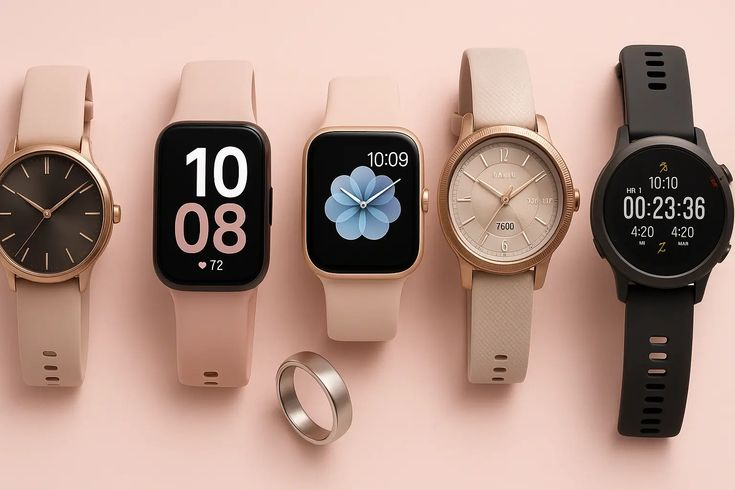
Smart watches have become one of the most popular wearable technologies in recent years. They are no longer just accessories for checking time; instead, they offer advanced features like fitness tracking, health monitoring, notifications, and even calling functions. Many people now rely on smart watches to manage their daily routines more efficiently. Whether you are a fitness enthusiast, a working professional, or a student, a smartwatch can make your life more organized and productive.
In today’s fast-moving digital world, smart watches provide convenience right on your wrist. You can track your heart rate, monitor sleep quality, receive messages, and control your smartphone without even touching it. This makes them a powerful companion for modern lifestyles. However, choosing the right smartwatch can be confusing due to the large number of brands and models available in the market.
In this smart watches review, we will explore everything you need to know, including features, importance, benefits, drawbacks, and expert buying tips. This guide is designed for beginners as well as intermediate users who want a clear understanding before making a purchase decision. By the end of this article, you will know exactly how to choose the best smartwatch based on your needs and budget.
What is a Smart Watch?
A smartwatch is a wearable electronic device designed to be worn on the wrist, similar to a traditional wristwatch. However, it is powered by advanced technology that allows it to perform multiple smart functions beyond timekeeping. Most smart watches connect to your smartphone via Bluetooth, enabling features like call alerts, message notifications, app access, and health tracking.
Modern smart watches come with touchscreens, operating systems, and customizable apps. They can track your physical activities such as steps, calories burned, and distance traveled. Some advanced models also include GPS tracking, ECG monitoring, blood oxygen measurement, and voice assistance.
In simple words, a smartwatch is like a mini smartphone on your wrist. It combines fitness tracking, communication tools, and productivity features into a single compact device. This makes it extremely useful for people who want quick access to information without constantly using their phones.
Why is Smart Watch Important?
Smart watches have gained importance because they support a healthier and more connected lifestyle. One of the biggest reasons for their popularity is health monitoring. People can track heart rate, sleep patterns, and physical activity in real time. This helps users maintain better health awareness and improve daily habits.
Another important reason is convenience. Instead of checking your phone repeatedly, you can receive notifications directly on your wrist. This saves time and reduces distractions, especially during work or exercise.
Smart watches are also important for fitness tracking. They help users set goals, monitor progress, and stay motivated. Many athletes and fitness lovers use smart watches to improve performance and maintain consistency.
Additionally, smart watches enhance safety features. Some models offer emergency SOS alerts, fall detection, and location tracking, which can be very helpful in critical situations.
Overall, smart watches play a key role in improving productivity, health awareness, and digital convenience in daily life.
Detailed Step-by-Step Guide
Step 1: Identify Your Purpose
Before buying a smartwatch, it is important to understand your needs. Some users want fitness tracking, while others need business features or basic notifications. Identifying your purpose helps narrow down your options.
Step 2: Check Compatibility
Not all smart watches work with every smartphone. Some are designed specifically for Android, while others work better with iPhones. Always check compatibility before purchasing.
Step 3: Compare Features

Look at features such as heart rate monitoring, GPS, water resistance, battery life, and app support. Advanced features may increase the price but also improve usability.
Step 4: Evaluate Battery Life
Battery life is a crucial factor. Some smart watches last only one day, while others can last up to a week. Choose according to your usage habits.
Step 5: Design and Comfort
Since you will wear it daily, comfort and design matter a lot. Lightweight and adjustable straps are better for long-term use.
Step 6: Budget Selection
Smart watches are available in different price ranges. Set a budget and compare models within that range to find the best value.
Benefits of Smart Watch
- Tracks health and fitness in real time
- Improves daily productivity and time management
- Provides instant notifications and alerts
- Helps in emergency situations with safety features
- Encourages a healthier lifestyle through activity tracking
- Reduces dependency on smartphones
- Offers customizable watch faces and apps
- Supports GPS navigation and location tracking
Disadvantages / Risks of Smart Watch
- Limited battery life in many models
- Can be expensive depending on features
- Requires frequent charging
- May cause distraction due to constant notifications
- Some models have limited compatibility
- Data privacy concerns in connected devices
- Small screen size limits detailed usage
- Dependency on smartphone for full functionality
Common Mistakes to Avoid
Many buyers make mistakes when purchasing a smartwatch. One common mistake is focusing only on design and ignoring features. A stylish watch may look good, but it may not meet your functional needs.
Another mistake is not checking compatibility with your phone. This can lead to limited functionality or connection issues.
People also often ignore battery life. A smartwatch with poor battery performance can become inconvenient for daily use.
Buying without comparing different brands is another mistake. It is always better to research multiple options before making a final decision.
Lastly, some users overspend on unnecessary features. It is important to choose a watch that matches your actual requirements.
FAQs
1. Are smart watches worth buying?
Yes, smart watches are worth buying if you want to track health, improve productivity, and stay connected easily. They offer great value for daily use.
2. Can smart watches work without a phone?
Some smart watches can work independently with features like GPS and music storage, but most require a smartphone for full functionality.
3. How long does a smartwatch battery last?
Battery life depends on the model. Basic watches may last 2–3 days, while advanced models can last up to a week or more.
4. Are smart watches safe for health tracking?
Yes, they are generally safe and provide useful health insights like heart rate and sleep tracking. However, they are not medical devices.
5. Can I answer calls on a smartwatch?
Yes, many modern smart watches allow users to answer and make calls directly from the device when connected to a smartphone.
6. Which is better: fitness band or smartwatch?
Fitness bands are better for basic tracking, while smart watches offer advanced features like apps, calls, and GPS.
Expert Tips & Bonus Points
When choosing a smartwatch, always prioritize your lifestyle needs. If you are into fitness, choose a model with strong health tracking features. If you are a professional, focus on notification and productivity tools.
Always check for software updates and brand reliability. A well-supported smartwatch will last longer and perform better over time.
Water resistance is another important factor, especially if you plan to use it during workouts or swimming.
Also, consider future needs. Investing in a slightly advanced model can save money in the long run.
Lastly, read user reviews before purchasing to understand real-world performance.
Conclusion
Smart watches have transformed the way people interact with technology on a daily basis. They are no longer just luxury gadgets but practical tools that support health, communication, and productivity. From tracking fitness goals to receiving instant notifications, smart watches offer a wide range of benefits that make life easier and more organized.
However, choosing the right smartwatch requires careful consideration. You need to focus on features, compatibility, battery life, and your personal requirements. With so many options available in the market, a well-informed decision is essential to get the best value for your money.
In this smart watches review, we explored everything from features to benefits, disadvantages, and expert tips. Whether you are a beginner or an intermediate user, understanding these factors will help you make a smart purchase decision.
Ultimately, a smartwatch is not just a gadget; it is a lifestyle upgrade. By selecting the right one, you can improve your daily routine, stay connected, and maintain better health awareness.